



 Make an Appointment
 Call Us to Schedule an Appointment:
 The Surprising Link Between Swimming and Sinus Infections: What You Need to Know
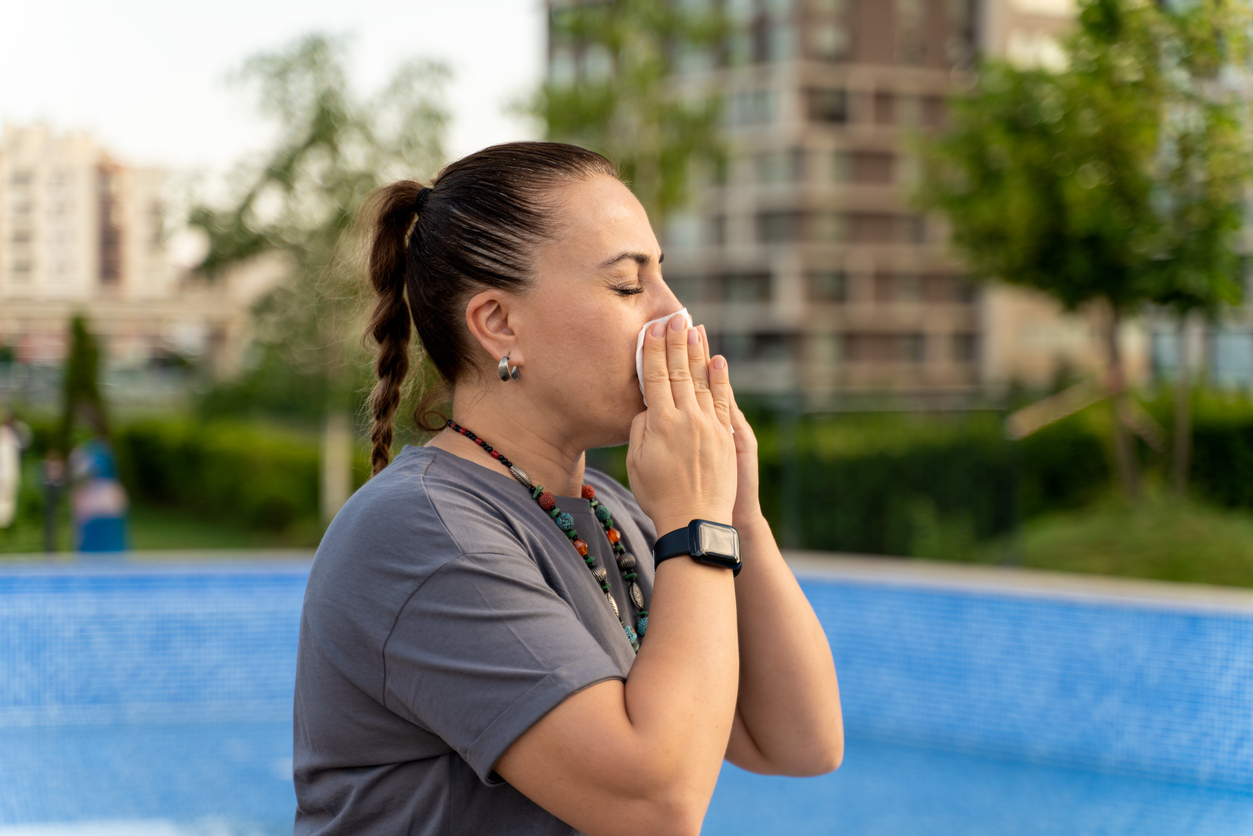
Summer is here, and that means many of us are spending more time at the pool. Whether you’re swimming laps for exercise, splashing around with your kids or simply relaxing on a float, the pool is a favorite way to beat the Georgia heat. But have you noticed an uptick in sinus issues after your swim sessions? If so, you’re not alone and the culprit might just be the chlorine in the water.
At North Atlanta ENT & Allergy (NAENTA), we often see a rise in sinus-related complaints during the summer months. Many patients are surprised to learn that their favorite summer activity could be contributing to their sinus discomfort. Let’s dive into how swimming, especially in chlorinated pools, can affect your sinus health and what you can do to prevent problems.
How Chlorine and Pool Water Affect Your Sinuses
Chlorine is essential for keeping pools clean and free from harmful bacteria. However, it’s also a strong chemical that can irritate the sensitive lining of your nose and sinuses. When you swim, water can enter your nasal passages, bringing chlorine and other pool chemicals along with it. This exposure can lead to inflammation and swelling of the sinus tissues, making you more susceptible to sinus infections.
Additionally, pool water is not sterile. Despite chlorine’s disinfecting properties, bacteria and other microorganisms can still be present, especially in heavily used or poorly maintained pools. If water enters your sinuses and doesn’t drain properly, it creates a moist environment where bacteria can thrive, increasing your risk of infection.
Common Symptoms of Swimming-Related Sinus Issues
If you notice any of the following symptoms after swimming, chlorine exposure could be to blame:
- Nasal congestion or stuffiness
- Runny nose or postnasal drip
- Facial pressure or pain, especially around the eyes and cheeks
- Headache
- Cough or sore throat due to drainage
These symptoms can be mild and temporary, but in some cases, they can develop into a full-blown sinus infection requiring medical attention.
Tips for Preventing Sinus Problems While Swimming
The good news is that you don’t have to give up swimming to protect your sinuses. Here are some practical tips to keep your sinuses healthy all summer long:
- Use Nose Clips: Wearing a nose clip can help prevent water from entering your nasal passages, reducing your exposure to chlorine and bacteria.
- Rinse After Swimming: After you get out of the pool, use a saline nasal rinse or spray to flush out any residual chlorine or irritants. This simple step can help minimize inflammation and keep your sinuses clear.
- Swim in Well-Maintained Pools: Choose pools that are properly maintained and monitored for chlorine levels. Over-chlorinated or dirty pools increase your risk of irritation and infection.
- Stay Hydrated: Drinking plenty of water helps thin mucus and keeps your nasal passages moist, making it easier for your sinuses to clear out irritants.
- Limit Time Underwater: Try to avoid spending long periods underwater or diving, as this increases the chance of water entering your sinuses.
If you’re experiencing chronic sinus or ear infections, especially if you notice they tend to flare up when your swimming activity increases, it’s important to consult with an ENT specialist. Persistent symptoms could indicate an underlying issue that needs professional attention. At NAENTA, our experienced team can help pinpoint the cause of your symptoms and recommend personalized treatment options, so you can get back to enjoying your summer with confidence and comfort.
Swimming is a fantastic way to stay active and cool during the summer, but it’s important to be aware of how pool chemicals like chlorine can affect your sinus health. By taking a few simple precautions, you can enjoy the water while keeping your sinuses happy and healthy.
If you’re struggling with sinus problems, don’t hesitate to reach out to North Atlanta ENT & Allergy for expert care and advice. Happy swimming!
